


Leading New Zealand's greenhouse future
James Harris, our General Manager, New Zealand, started working at Apex Greenhouses in 2015, managing construction teams for projects. Over time, this grew into a sales focused role, which then evolved into GM. Before Apex, James worked in engineering and fabrication, mainly across the dairy and horticulture industries, bringing that hands-on knowledge and practical problem-solving approach to his work at Apex.
So, what’s it like being the boss? We sat down with James to talk about his experience as GM, how Apex Greenhouses operates today in New Zealand, and what makes greenhouse projects in New Zealand so unique and important to the agricultural and horticultural industries.
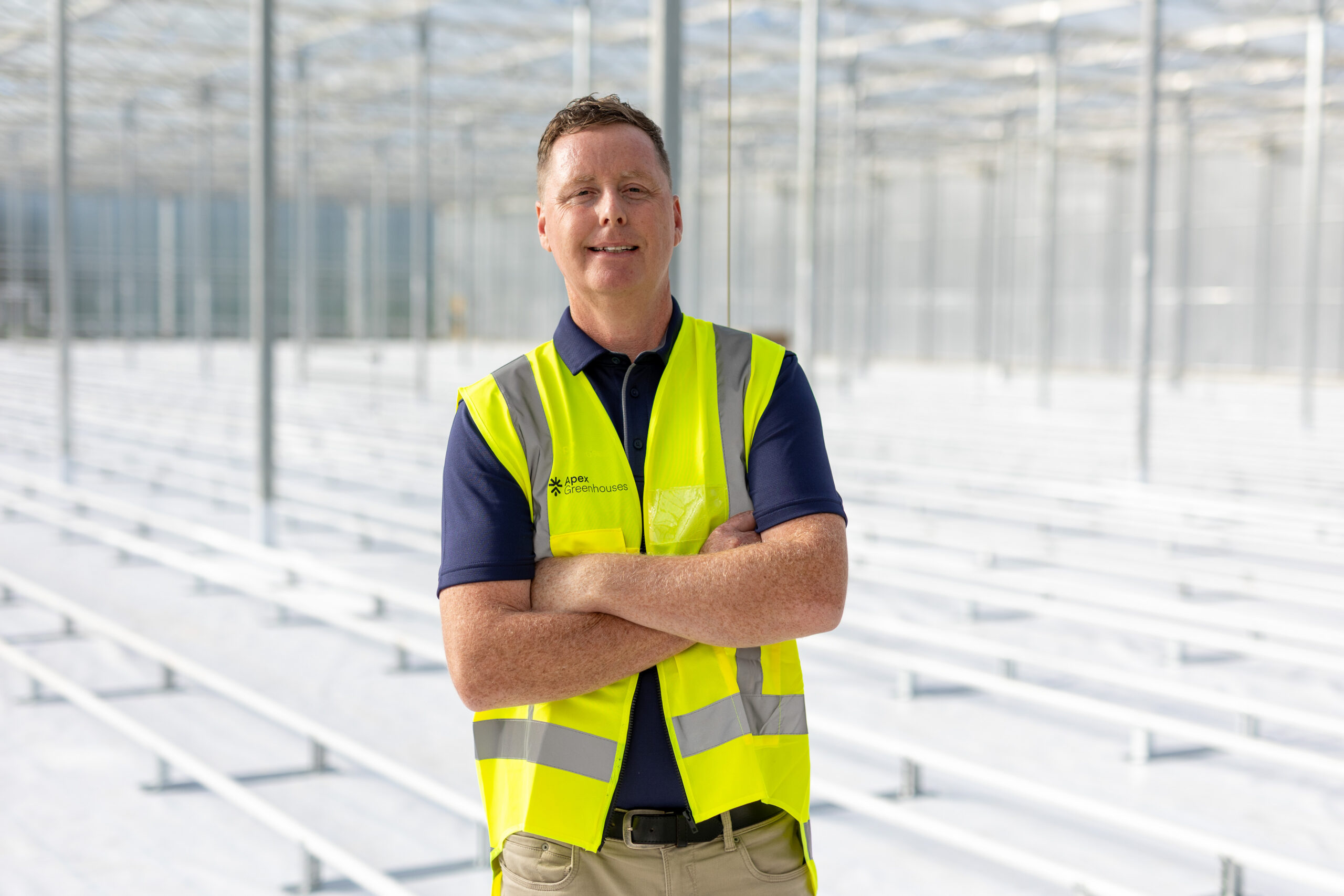
How would you describe your leadership approach, and how does it influence the culture within the NZ team?
It’s important to set a clear vision for the business and each project, making sure the right support is there, and then trusting people to make decisions and back themselves to deliver for the team. When we do that well, our customers can feel confident at every stage of the project.
What are some of the biggest changes you’ve seen in greenhouse technology and the horticulture industry since you started?
There has been more focus on energy saving and improving labour efficiency, and it has been very interesting working alongside growers and suppliers to develop ideas and designs to meet those needs.
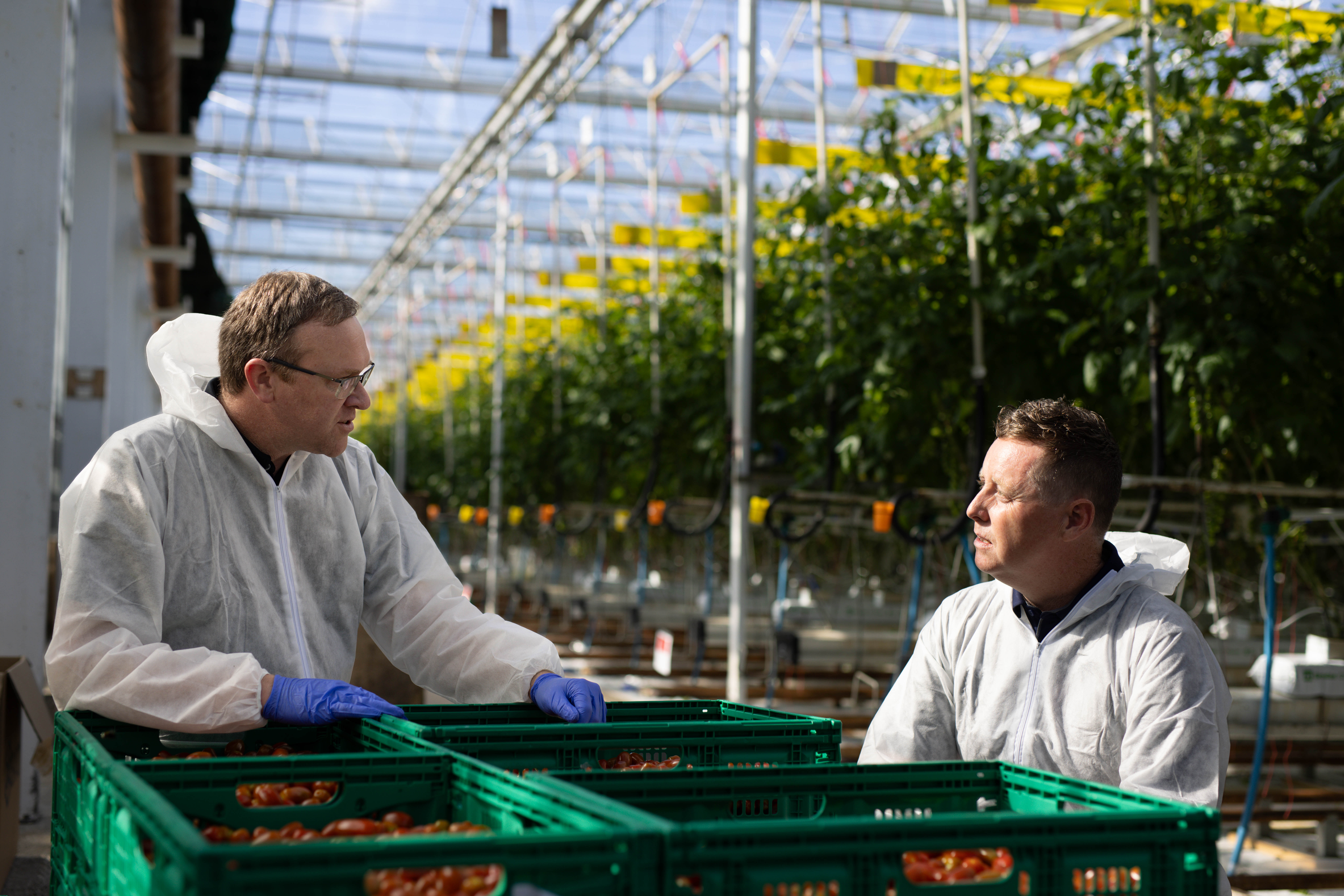
What makes the New Zealand growing environment unique, and how does Apex adapt its designs to suit local conditions?
New Zealand has regions with a mild climate and great light levels, which are ideal for greenhouse crops, and we design our greenhouses to make the most of those natural advantages with the right glass, screening, and climate control. New Zealand isn’t a large country, but it has a wide range of landscapes, so each project needs to be engineered for its specific location while meeting local building regulations. There are challenges that are unique to this part of the world, but we have the experience and local support that gives us the ability to find the right solution.
How does Apex’s New Zealand operation collaborate with the Australian team to deliver consistent quality and innovation across both countries?
Both organisations are closely aligned and operate under the same management and ownership. Because the markets we serve are very similar, we’re able to share resources across everything from administration, finance, and logistics through to design, manufacturing, and construction. The real value here is that our team is familiar with the customers and facilities in both regions, which means we can provide consistent service and step in with support whenever it’s needed.
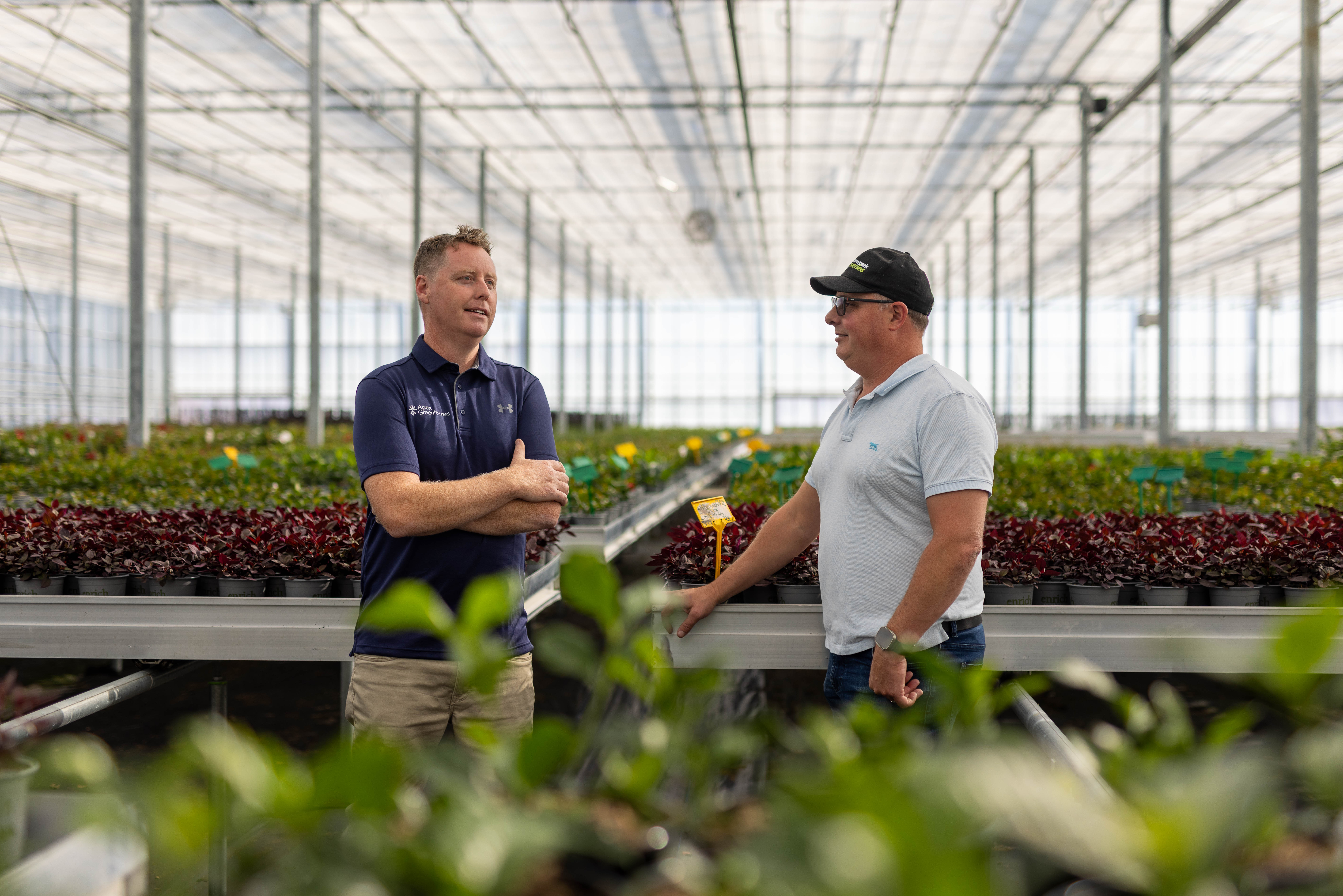
What technologies or practices are you most excited about in terms of improving efficiency and sustainability for growers?
There have been some really exciting developments in traditional greenhouse setups lately, and I think more outdoor growers will start to see how these technologies can boost both yield and profitability. For example, leafy green systems using automated benches and gutters can produce more consistent crops, increase yield per square metre, use less water and reduce reliance on manual labour.
How do you see New Zealand’s horticulture sector evolving over the next decade, and where does Apex fit into that future?
The future for protected cropping in NZ is very positive. We are starting to see new investment in the industry and there is room for much more over the next decade. There are new challenges around the cost of energy, labour and land, which means we need to find new ways of operating. I believe we can do this by using the local and international technologies already available to us, and then adapting these proven solutions to suit the specific needs of our market.
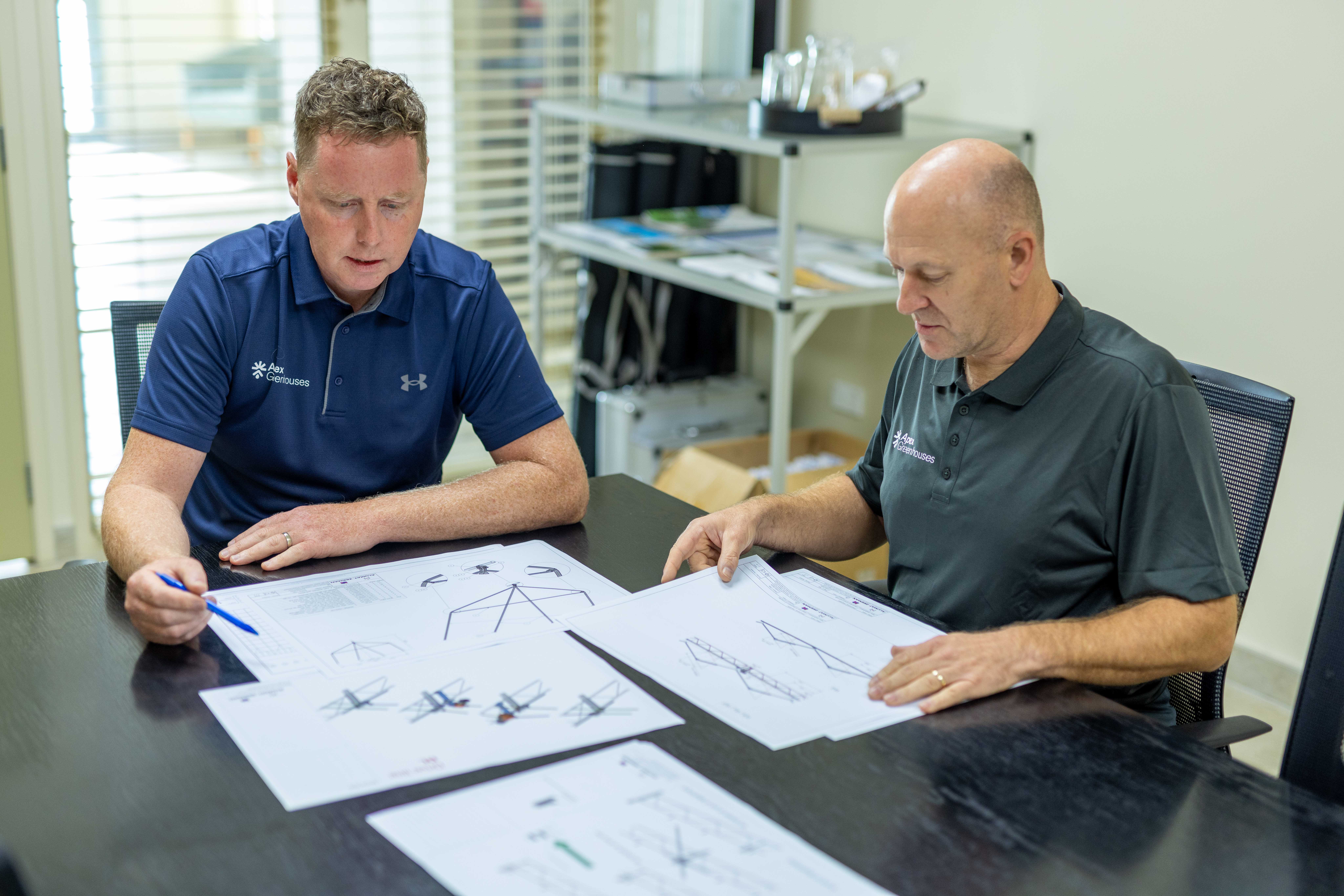
What continues to motivate you in this industry?
I really enjoy seeing a project develop from start to finish. Whether it’s big or small, I recognise that it’s the customer’s vision and hard work that bring it to life, and I value being part of that journey—especially seeing businesses grow and evolve over the years and across generations. It’s also very rewarding to work alongside such talented colleagues, contractors and suppliers who all play a role in making it happen.
